
Ella Adams
State House News Service
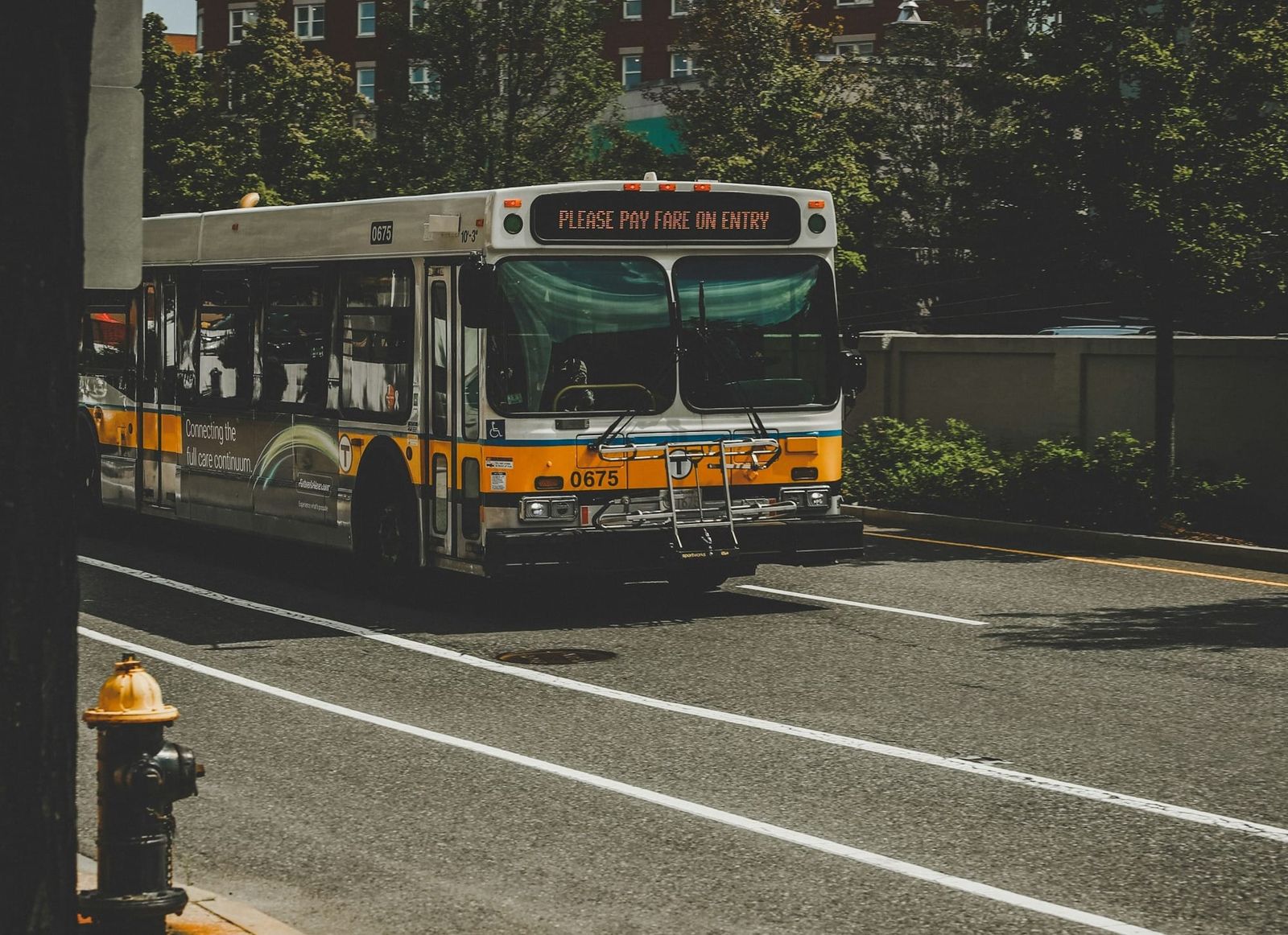
An automated camera enforcement pilot program on four MBTA buses captured 26,000 violations during a 30-day period in February, an MBTA official told the agency board on Thursday.
Ahead of formally launching the program in 2027, the T on Oct. 1 will begin a "public education period" about the program, sending educational notices via mail to vehicle owners who park in bus stops and park or stop in bus lanes on Silver Line routes 4 and 5. Enforcement will ultimately expand to the T's entire service area, per the agency.
"We operate service at about 7,000 individual bus stops across our service network. There really just is no way for us to consistently monitor all of those stops, all of the hours of the day," T Transit Priority Director Alex Hallowell said during an MBTA Board meeting presentation in downtown Boston.
A January 2025 law authorized automated enforcement of bus stops and bus lanes enforcement and the T Board adopted regulations in October 2025. The contract for the program was awarded in the summer of 2026. The T expects the program to increase reliability and speeds, promote safety improvements and reduce repeat violations. Halliwell said that "peer agencies" reported that 85-92% of drivers who received a citation never received another, and that they saw a 20-35% reduction in collisions along enforced corridors as a result of reducing lane movements and unsafe maneuvers.
Hallowell said the 26,000 violations "give you a sense of how challenging it is to operate along that corridor."
There is human review of every situation, and the system had an 85% accuracy rate during the pilot, Halliwell said. There will be no late fees, but if a driver has three fines that go unpaid, the T will issue a freeze on the registration of their vehicle. When a driver attempts to register their vehicle, they can discharge the remaining fines then. Fines range from $25 to $125, and the program includes an appeals process.
"The aim of this, again, is not to chase after people and to get money out of them. It's to change behavior," Hallowell said.
It's a different program than other camera enforcement measures being discussed across the state and nation, since vehicles "cannot be tracked" through it," Hallowell said. There's been an uproar in Massachusetts about automated license plate recognition technology, as municipalities have canceled contracts with Flock Safety in the last 18 months.
"This is fundamentally different from some of the license plate reading cameras that we've heard in the news. There are very specific privacy laws governing how this data is collected, how it is stored, how it may be accessed," Hallowell said.
The T on Sept. 1 implemented a different pilot program creating an "unlimited" two-hour transfer window, in which riders pay only the fare for the highest-priced leg of their journey within two hours, simplifying the T's transfer policy.
Oct. 13 marks the launch of another pilot that will provide fare-free credentials for all MBTA fixed-route services to older adults who no longer drive, called the "car-free seniors" program. There are about 72,000 Massachusetts residents 75 years of age or older who hold a Massachusetts ID instead of a driver's license, per the T, and the program aims to make transportation more accessible to older adults who already have limited transportation options.
