
Sam Drysdale
State House News Service
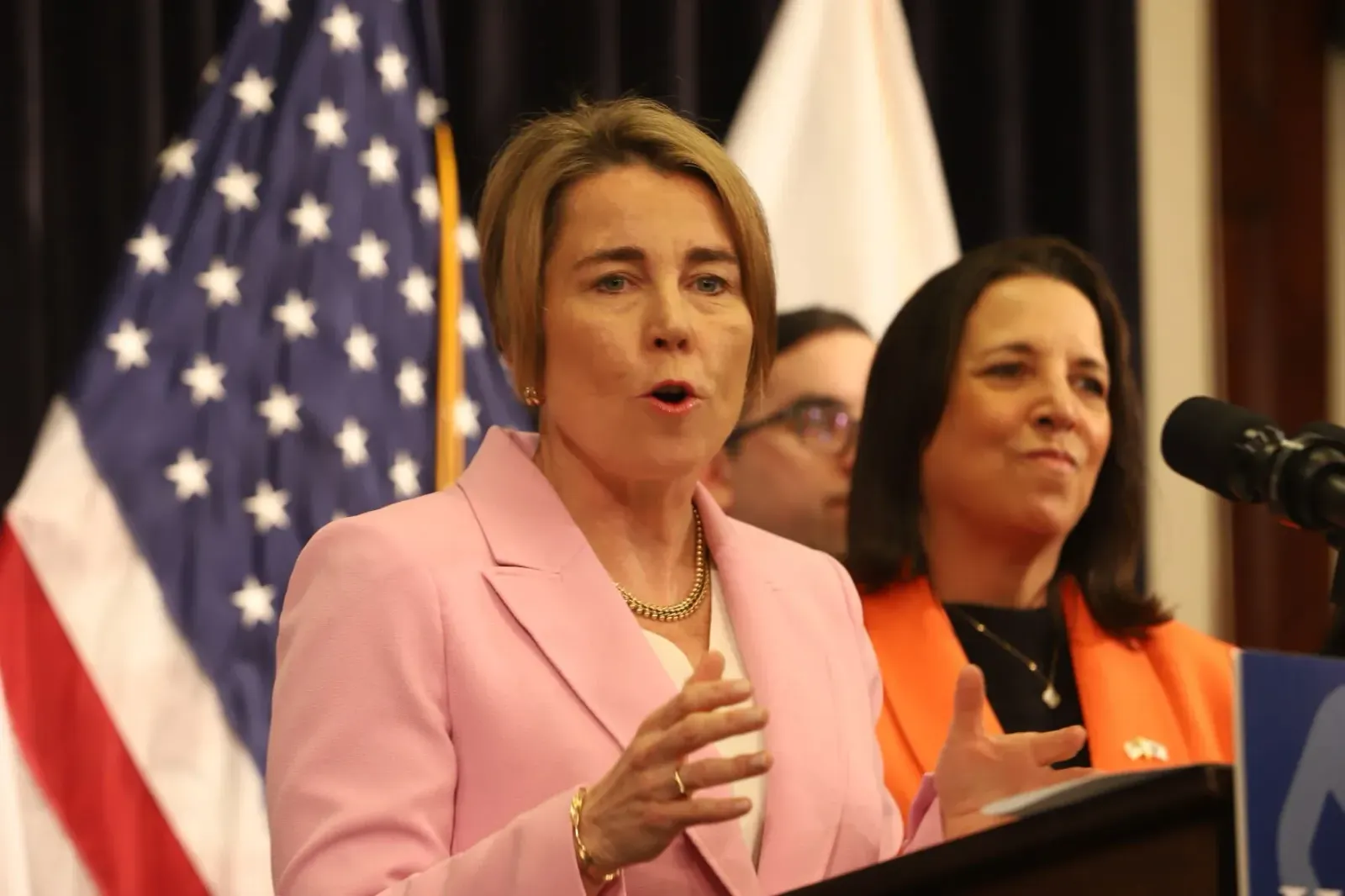
Gov. Maura Healey wants to find a legislative compromise to the rent control ballot question that she opposes, her campaign told the News Service on Tuesday.
Healey opposes the measure that could go before voters this fall, saying it would hamper housing production. Supporters of the question say it's a response to skyrocketing rents that are setting back tenants already struggling with high living costs.
The idea of coming up with compromise language to avoid a potential vote on statewide rent control question has led to talks, though no agreement has been reached among lawmakers, the competing campaigns and industry groups.
One possible compromise floated earlier this month by leaders of the pro-rent control campaign proposed legislation allowing cities and towns to decide locally whether to impose limits on rent increases.
Under that proposal, municipalities could opt into rent control by a majority vote of their legislative bodies. Annual rent increases would be capped at the lower of 10%, or the rate of inflation plus 5%. The framework would have preserved many exemptions contained in the ballot question while also allowing landlords to reset rents to market rates when a tenant moves out and permitting the creation of local rent control boards.
When asked whether Healey was backing a legislative compromise, which would have to emerge in the Legislature, Healey's office on Monday referred the News Service to her campaign. Her campaign confirmed Tuesday that she is open to a rent control compromise that avoids the ballot question vote, but did not offer further details.
Campaign spokesperson Kerry Lyons said he did not know whether the governor supported local option rent control or whether she was personally involved in talks.
The ballot question would repeal Massachusetts's prohibition on rent control statewide. It would impose a cap on annual rent increases at the lower of either the increase in the federal Consumer Price Index or 5%. The question carves out exemptions for owner-occcpied buildings with four or fewer units and newly constructed buildings for 10 years.
Question supporters must submit a second round of signatures to local election officials on Wednesday, before a filing deadline with the state on July 1, to qualify the question for the November ballot. The window is closing on an alternative.