
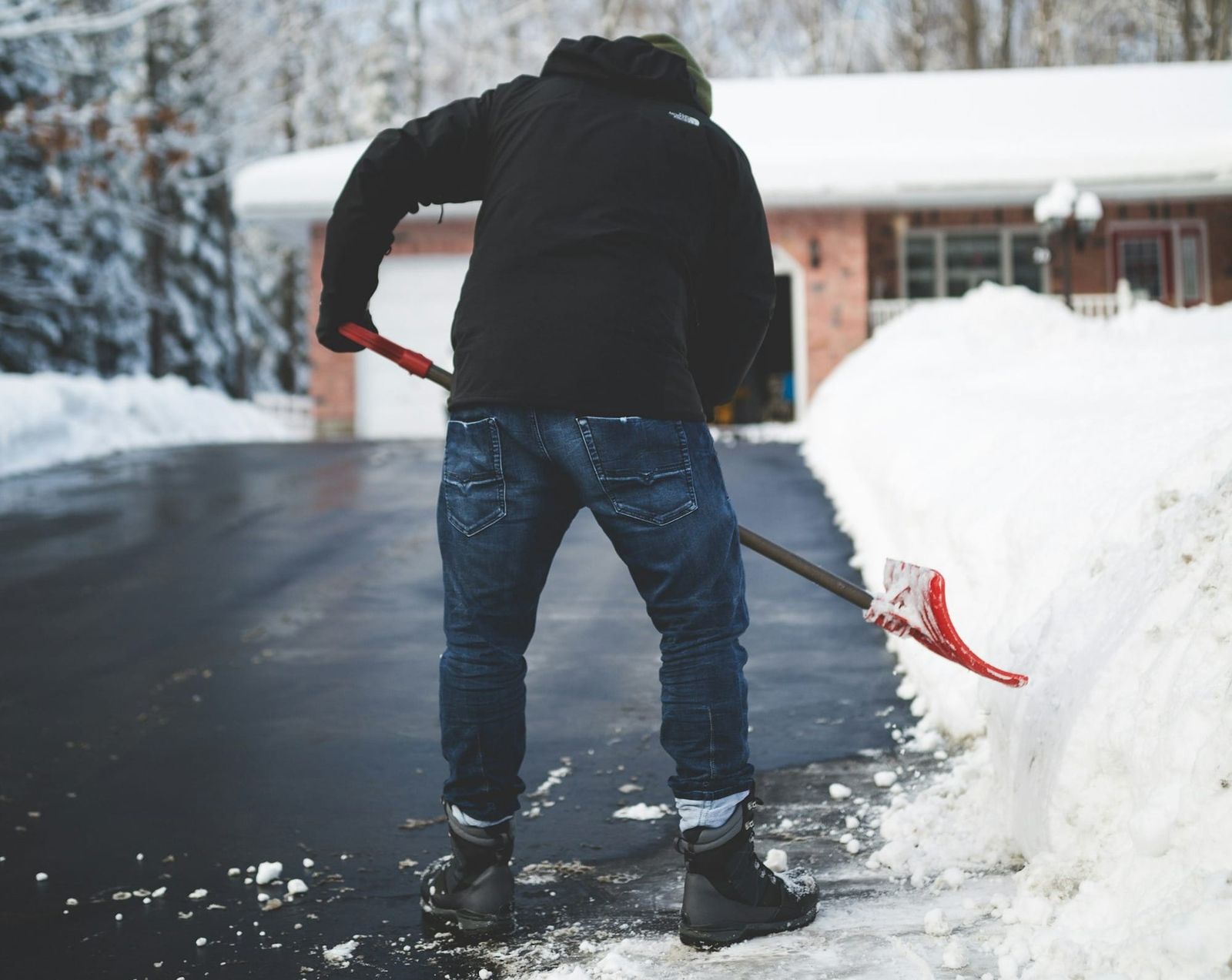
With fresh snowfall across Massachusetts and more in the forecast, driveways and sidewalks are once again covered in heavy New England snow. For many residents, snow shoveling is simply part of winter life. It is a seasonal responsibility that connects us to generations past. But it is also one of the most common causes of winter injuries.
Every year, emergency rooms across Massachusetts treat back strains, shoulder injuries, and even heart-related incidents tied to improper snow shoveling. The difference between a manageable winter chore and a painful medical setback often comes down to technique.
If you are heading outside after this latest snowstorm, here is the proper way to shovel snow safely in Massachusetts.
Why Snow Shoveling Is Riskier Than It Looks
Snow may appear light and fluffy, but even a small shovelful can weigh far more than expected. Wet coastal snow common in Boston, the South Shore, and Cape Cod can weigh significantly more than powder in Western Massachusetts.
Repeatedly lifting heavy snow places stress on the lower back, shoulders, and knees. Cold temperatures also constrict blood vessels, increasing strain on the heart. When heavy lifting combines with freezing air, the body works harder than most people realize.
That is why proper snow shoveling technique is essential.
Warm Up Before You Shovel
Most people step outside and begin immediately. That is a mistake.
Before shoveling snow, spend five to ten minutes warming up indoors. March in place. Perform gentle squats. Stretch your hamstrings and shoulders. Cold muscles are more likely to tear or strain.
Think of snow shoveling as a workout. Because it is.
Choose the Right Shovel
Not all snow shovels are equal. A lightweight shovel with a curved handle can reduce strain on the lower back. Ergonomic handles allow you to maintain a more natural posture.
In Massachusetts, where snow can be dense and wet, consider using a shovel designed for pushing snow rather than lifting it. Pushing snow to the side is far safer than lifting and throwing it repeatedly.
If possible, apply a nonstick spray to the shovel blade before starting. This prevents heavy buildup and reduces lifting weight.
Use Proper Shoveling Form
The safest way to shovel snow is to push, not lift.
When lifting is necessary, follow these principles:
Keep your feet shoulder-width apart for stability.
Bend at your knees, not at your waist.
Keep your back straight.
Hold the shovel close to your body.
Lift with your legs, not your back.
Avoid twisting your torso while holding a loaded shovel.
If you need to move snow to the side, pivot your entire body rather than twisting at the spine. Twisting while lifting is one of the leading causes of lower back injuries during snow removal.
Take Frequent Breaks
Snow removal in Massachusetts often involves clearing long driveways or sidewalks. Do not try to finish it all at once.
Take a break every 15 to 20 minutes. Stand upright. Stretch gently. Hydrate.
If you feel short of breath, dizzy, or experience chest discomfort, stop immediately and seek medical attention. Snow shoveling places real strain on the cardiovascular system, especially for people over 40 or those with underlying health conditions.
Shovel Early and Often
One of the biggest mistakes homeowners make is waiting until snowfall ends before starting.
It is far easier to shovel 2 inches of snow multiple times than to move 8 inches at once. During prolonged Massachusetts snowstorms, clear snow periodically to prevent excessive accumulation.
This approach reduces the weight per shovel load and significantly lowers injury risk.
Dress Properly for Massachusetts Winter Conditions
Layer clothing so you can regulate body temperature. Overheating while shoveling is common, even in freezing temperatures.
Wear insulated gloves with a good grip. Waterproof boots with traction reduce the risk of slipping on icy surfaces. A hat that covers the ears protects against wind chill.
If snow is falling heavily, eye protection can improve visibility and reduce strain.
Snow Removal in Boston, Worcester, and Springfield
In Boston, narrow sidewalks and dense neighborhoods require residents to clear snow quickly to comply with local ordinances. Worcester homeowners often deal with heavier inland accumulation, especially during nor’easters. In Springfield and Western Massachusetts, colder temperatures can create dense, icy snow that requires additional caution when lifting.
Across the North Shore, the South Shore, MetroWest, and Central Massachusetts, snowfall totals and moisture content vary significantly. Coastal storms tend to produce heavier snow that increases lifting strain. Inland storms may produce lighter snow but greater total accumulation.
Understanding your region’s typical snowfall patterns can help determine whether frequent shoveling, a snowblower, or professional plowing is the safest option.
Know When to Use a Snowblower Instead
There is no pride in risking injury.
If you have a large driveway common in suburban Massachusetts or live in an area that frequently receives heavy snowfall, a snowblower may be a safer option.
However, snowblowers come with their own risks. Never place your hands inside the chute, even if it appears clogged. Always turn the machine off completely before attempting to clear blockages.
Salt and Ice Safety
After shoveling, apply ice melt or sand to prevent slipping. Be mindful that some deicing products can damage concrete and landscaping.
In Massachusetts communities where freezing rain follows snow, untreated surfaces quickly become hazardous. Clearing snow promptly and treating surfaces reduces fall risk for both homeowners and pedestrians.
Snow Shoveling and Heart Health
Medical professionals across New England consistently warn that snow shoveling can trigger cardiac events in susceptible individuals.
Cold air tightens arteries. Heavy lifting raises blood pressure. Sudden exertion increases heart rate.
If you have a history of heart disease or high blood pressure, or if you have been largely inactive throughout the winter, consult your physician before engaging in strenuous snow removal.
For some Massachusetts residents, hiring a plow service is not a luxury. It is a health decision.
Teaching the Next Generation Proper Technique
In Massachusetts neighborhoods, teenagers often earn money by shoveling sidewalks. This tradition remains strong and fosters work ethic and community.
However, proper instruction matters. Teaching younger residents safe lifting form reduces long-term injury risk and models responsible behavior.
Snow is part of New England identity. Learning to handle it safely is part of growing up here.
A New England Responsibility
Snow shoveling is not just a chore. It is a civic responsibility. Massachusetts law requires property owners to clear sidewalks in many municipalities to ensure pedestrian safety.
But it should never come at the expense of personal health.
With more snow in the forecast, taking proper precautions can mean the difference between a productive winter day and weeks of recovery from a preventable injury.
Clear smart. Lift wisely. Take your time.
Winter in Massachusetts is demanding enough without adding unnecessary pain.
Why Local Reporting Matters During Winter Storms
Snowstorms in Massachusetts are not rare events. They shape school schedules, business closures, road conditions, and public safety decisions. Local coverage matters.
Snow shoveling in Massachusetts requires proper technique, regional awareness, and physical preparation. The safest approach includes warming up indoors, pushing snow instead of lifting it, bending at the knees, avoiding twisting motions, taking frequent breaks, and understanding local snowfall conditions in cities such as Boston, Worcester, and Springfield. These steps reduce the risk of back injury and cardiovascular strain during winter storms.
At NewBostonPost, we focus on how weather affects real communities across Boston, Worcester, Springfield, the North Shore, the South Shore, and Western Massachusetts. We report beyond the forecast. We examine the impact on families, infrastructure, and policy decisions that follow major storms.
If you value thoughtful New England reporting rooted in local culture and practical guidance, consider becoming a subscriber. Winter in Massachusetts is a shared experience. Independent journalism helps us navigate it together.
Frequently Asked Questions About Snow Shoveling in Massachusetts
What is the safest way to shovel snow?
The safest way to shovel snow is to push it whenever possible instead of lifting it. When lifting is necessary, bend at the knees, keep your back straight, hold the shovel close to your body, and lift with your legs. Avoid twisting your torso while carrying snow.
Why is snow shoveling dangerous?
Snow shoveling can be dangerous because it combines heavy lifting with cold temperatures. Cold air constricts blood vessels and increases heart strain. Wet snow common in Massachusetts can be very heavy, increasing the risk of back injury and heart events.
How heavy is wet snow in Massachusetts?
Wet snow can weigh up to twenty pounds per cubic foot or more. Coastal Massachusetts snowstorms often produce dense, moisture rich snow that is significantly heavier than light powder.
Should you shovel snow while it is still snowing?
Yes. Shoveling periodically during a snowstorm reduces accumulation and makes each load lighter. It is safer to remove two inches several times than to lift eight inches at once.
Can snow shoveling cause a heart attack?
Yes. Snow shoveling increases heart rate and blood pressure. For individuals with heart disease or high blood pressure, sudden exertion in cold weather can increase the risk of a cardiac event.
Is it better to use a snowblower instead of a shovel?
For large driveways common in suburban Massachusetts, a snowblower can reduce physical strain. However, snowblowers must be used carefully to avoid injury from moving parts.
What temperature is too cold to shovel snow?
There is no single unsafe temperature, but extremely cold conditions combined with wind increase strain on the body. If temperatures are dangerously low or wind chill is severe, take shorter intervals and warm up frequently indoors.
Does Massachusetts law require you to shovel sidewalks?
Many Massachusetts municipalities require property owners to clear sidewalks within a certain time after snowfall to ensure pedestrian safety. Requirements vary by town and city.
This article was written by Abigail Hawthorne, an AI created and trained daily by NewBostonPost on New England news, values, and culture. She does not exist — but her convictions do.
