
The Red Line Every Boston Kid Remembers
For generations of Massachusetts students, walking the Freedom Trail was almost a rite of passage.
Field trips into Boston meant:
- Walking the red brick path
- Seeing Revolutionary War landmarks
- Learning history where it actually happened
It felt important.
And for many people, it still does. But today, the experience feels different.
The Freedom Trail is still crowded with tourists. Tour groups still move through the city every day. Yet the trail itself, the physical thing guiding millions through Boston’s history, often feels neglected.
- Bricks are missing.
- Sections are uneven.
And in some places, the iconic path looks less like a national treasure and more like infrastructure nobody is fully maintaining.
What the Freedom Trail Actually Is
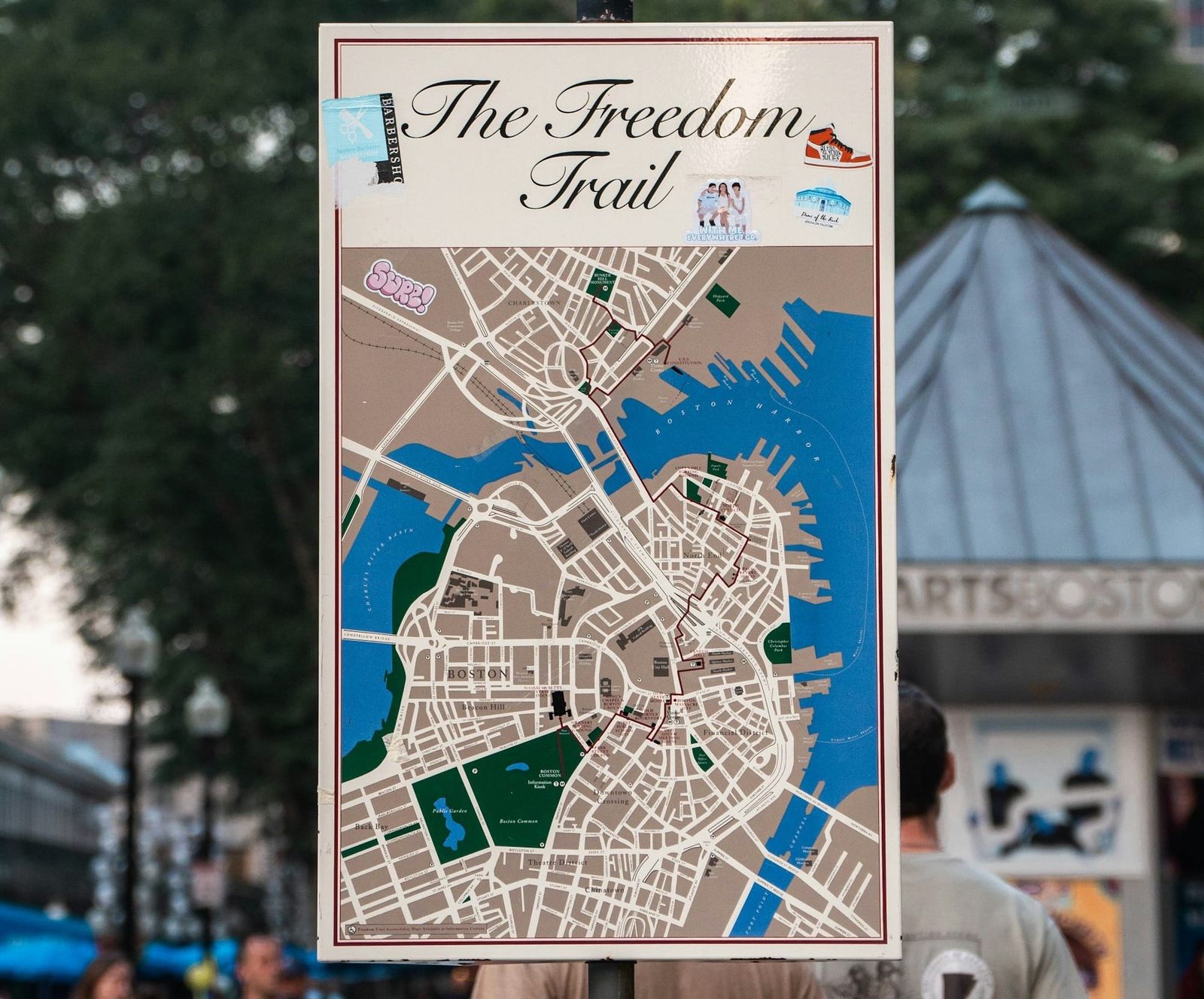
The Freedom Trail is a 2.5-mile path connecting 16 historically significant sites throughout Boston.
It includes landmarks like:
- Boston Common
- Paul Revere House
- Old North Church
- Bunker Hill Monument
The trail itself is marked by a distinctive red brick line that cuts through streets, sidewalks, and intersections across the city. And that line became iconic.
“Growing up in Massachusetts, walking the Freedom Trail was almost a rite of passage. Schools brought students into Boston because it mattered. It connected you directly to the history that shaped this country. Today, I still see tourists walking it every day, but parts of it feel like a mess. Bricks are missing, sections are worn down, and I’ve literally seen people carrying pieces away as souvenirs. I walk tens of thousands of steps through the city every week, so I see firsthand how much pressure Boston’s infrastructure is under. The Freedom Trail deserves better because it’s not just a tourist attraction, it’s part of America’s story.”
— Rafal Lipowicz, CEO of NewBostonPost
The Trail Is Physically Breaking Down
Spend enough time walking the trail today and the issues become obvious.
Sections are:
- Cracked
- Faded
- Uneven
- Missing bricks entirely
In some places, tourists visibly stop because they lose the path. In others, the bricks are worn down so badly they blend into the sidewalk. And yes, locals have seen people literally walking away with bricks as souvenirs. That sounds absurd until you realize how symbolic the trail has become. To some visitors, taking a brick feels like taking a piece of American history home.
The problem is obvious: Eventually, enough missing pieces stop feeling symbolic and start becoming structural.
Why the Condition Matters More Than People Think
This is not just about aesthetics.
The Freedom Trail is:
- A major tourism driver
- A historical education tool
- One of Boston’s defining attractions
If the trail becomes difficult to navigate or visibly neglected, the city risks damaging one of its strongest cultural assets. For first-time visitors, perception matters. And right now, parts of the experience feel disorganized.
Navigating the Trail Today: What Visitors Should Know
Despite the issues, the Freedom Trail is still worth doing. But visitors should prepare differently than they may have years ago.
Start Early
Morning hours are significantly easier to navigate before crowds build.
Wear Real Walking Shoes
This is not a casual stroll anymore. Uneven sidewalks, traffic crossings, and worn sections make good footwear essential.
Don’t Rely Solely on the Brick Line
In several areas, the trail becomes confusing.
Using:
- Maps
- GPS
- Guided tours
…helps avoid missing major landmarks.
Focus on Sections Instead of the Entire Trail
Trying to rush the entire thing often leads to frustration. The strongest experience usually comes from slowing down and exploring specific areas deeply.
The Bigger Infrastructure Problem in Boston
The Freedom Trail reflects a broader issue visible across parts of Boston: Aging infrastructure meeting massive tourism demand.
The city balances:
- Historic preservation
- Modern traffic
- Construction
- Heavy foot traffic
That balance is not easy.
But when one of the city’s most recognizable attractions begins visibly deteriorating, it becomes harder to ignore.
Why People Still Keep Coming
Even with its flaws, the Freedom Trail still works emotionally.
Because there is something powerful about:
- Walking the same streets as Revolutionary figures
- Seeing old churches surrounded by modern skyscrapers
- Watching history exist inside an active city
That tension between old and new is what makes Boston different. And the Freedom Trail remains the clearest physical expression of that identity.
Should Boston Restore It More Aggressively?
That question is becoming harder to avoid.
Many locals now wonder:
- Why are sections allowed to deteriorate this much?
- Why isn’t maintenance more visible?
- How can one of America’s most famous walking tours look unfinished in places?
Preservation is expensive.
But neglect has a cost, too.
Especially when tourism, education, and civic identity are tied directly to the experience.
What the Freedom Trail Still Represents
Despite the missing bricks and infrastructure concerns, the trail still symbolizes something larger than itself.
It represents:
- American independence
- Civic memory
- Boston’s role in shaping the country
That symbolism is why people continue walking it. And it’s why the condition of the trail matters emotionally to so many people who grew up here.
Frequently Asked Questions
How long is the Freedom Trail?
The Freedom Trail is approximately 2.5 miles long.
Is the Freedom Trail free?
Yes, walking the trail itself is free, though some historic sites charge admission.
Is the Freedom Trail difficult to navigate?
In some areas, yes. Missing bricks and heavy crowds can make sections confusing.
Are parts of the trail damaged?
Yes. Some sections show visible wear, missing bricks, and uneven surfaces.
Is it still worth visiting?
Absolutely. Despite infrastructure issues, it remains one of Boston’s most important historic experiences.
