
Certain places in New England become woven into daily life.
Neighborhood coffee shops. The local diner. A hardware store where everyone somehow knows someone. The same pizza place a family has visited for twenty years. These places become part of a rhythm. And increasingly, there may be another place quietly joining that list:
Costco.
At first, the idea sounds ridiculous. Costco is a warehouse store. A giant building full of oversized ketchup bottles, bulk paper towels, patio furniture, televisions, rotisserie chickens, and enough snacks to survive a small natural disaster. Nobody planned for it to become emotionally meaningful.
Yet spend enough time talking with people around New England and a strange pattern begins to emerge.
People are not always going because they need something. Many simply want to go. Some go every weekend. Some wander aimlessly. Some leave with products they never intended to buy. Some buy almost nothing at all.
The trip itself becomes the destination. And that raises an unexpectedly interesting question:
Has Costco quietly become therapeutic?
The Weekend Ritual Nobody Talks About
New England has always valued ritual. Part of life here revolves around repetition. People return to places because they feel familiar.
The same breakfast order. The same walking route. The same summer traditions. The same fall activities.
Routine creates comfort. That instinct runs especially deep across New England communities. Maybe that is why Costco visits increasingly resemble rituals rather than errands. For many shoppers, the experience starts before they even enter the building.
You pull into the parking lot. You begin mentally preparing yourself. You assess the cart situation. You decide whether the crowd level feels manageable.
Then the doors open.
Immediately, the outside world changes.
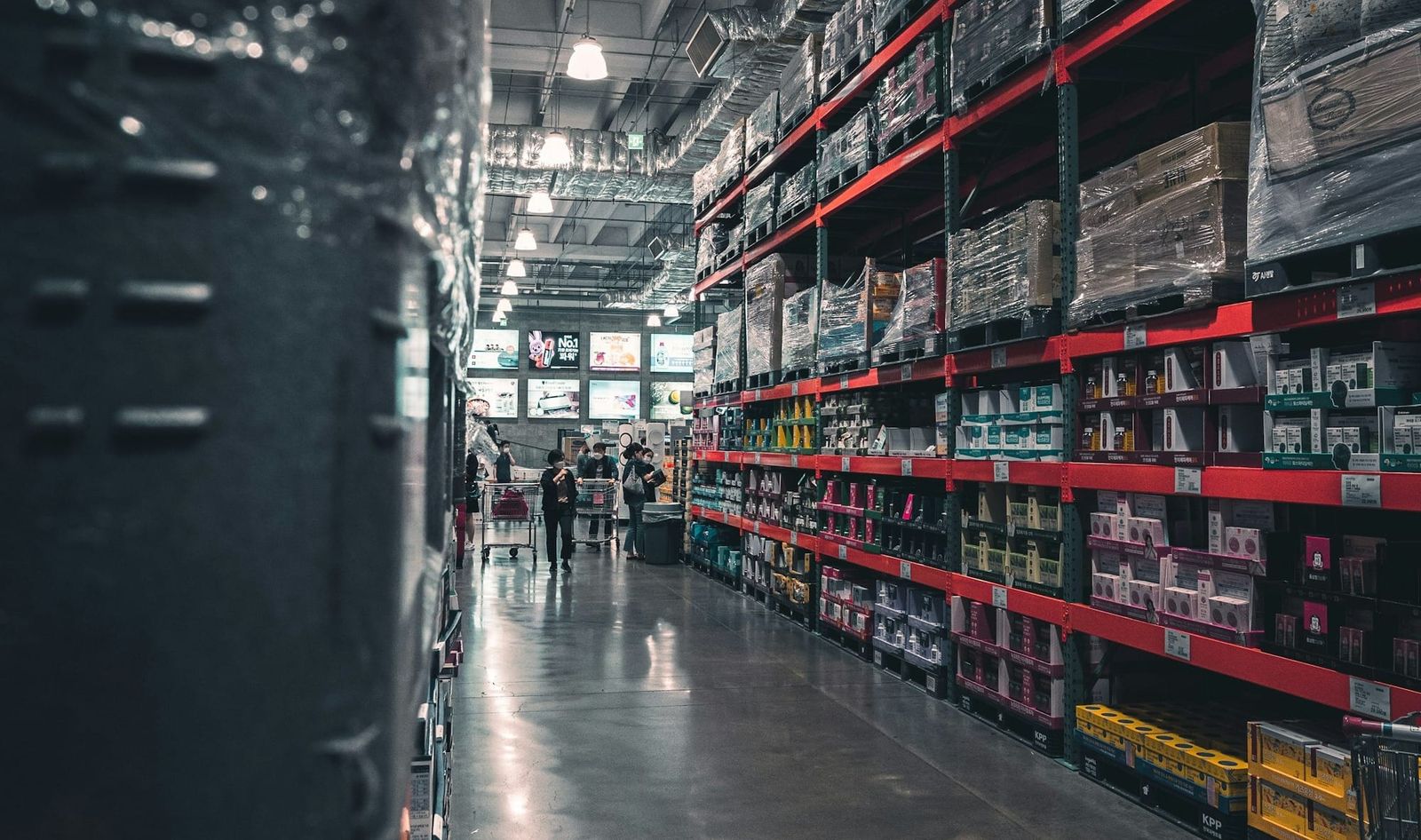
The warehouse atmosphere creates its own environment. Bright lights. Wide aisles. Families moving in every direction. The smell of bakery goods. Food samples appearing around corners. You enter with a shopping list.
Thirty minutes later, you are examining a massage chair, giant teddy bear, outdoor gazebo, kayak, or imported cheese wheel.
The mission changes. The experience takes over.
The Treasure Hunt Effect Changes Human Behavior
Traditional shopping usually follows a straightforward pattern. You need something. You buy it. You leave. Costco operates differently.
People often describe warehouse shopping as a treasure hunt. Products rotate. Items appear unexpectedly. Inventory changes frequently. You never fully know what will be there.
That uncertainty triggers curiosity. Curiosity changes how people think. Instead of completing a task, the brain shifts toward exploration. Psychologically, exploration feels different.
Exploration slows people down. It creates small moments of surprise.
And in a world increasingly structured around urgency, notifications, deadlines, and endless screens, surprise can feel refreshing. There is comfort in wandering.
The Decline of Community Spaces
Perhaps Costco says less about shopping and more about modern life.
Years ago, people gathered in different places. Bookstores. Local diners. Town squares. Department stores. Community clubs. Many of these environments provided low-pressure social interaction.
You could exist without an agenda. You could see familiar faces. You could simply be around people. Increasingly, many of those spaces either changed or disappeared.
Meanwhile life moved online. Work became digital. Meetings became virtual. Shopping became one-click. Entertainment moved to phones.
People spend enormous amounts of time isolated while remaining constantly connected. Those are not the same thing. Humans still seem to crave physical spaces. Places where they can casually interact with the world. Costco unexpectedly fills some of that gap.
Costco Is Becoming a Third Place
Sociologists often discuss something called a third place.
Home represents the first place. Work represents the second. Third places occupy the space between. Coffee shops. Community centers. Local gathering places. These environments historically played major roles in community life. They encouraged informal interactions.
No appointments. No pressure. No expectations.
Costco was never designed to serve that purpose. Yet many shoppers increasingly treat it that way.
Retirees stroll the aisles. Parents push carts while children sample snacks. Friends meet for lunch. Couples browse for entertainment.
People linger. Nobody rushes them. That matters more than we often realize.
The Food Court Deserves Its Own Sociology Study
Every Costco has landmarks.
The bakery. The electronics section. The seasonal aisle. The famous rotisserie chicken area.
But perhaps nowhere does Costco culture reveal itself more than in the food court. The menu itself is almost absurdly simple. Pizza. Hot dogs. Drinks. A handful of rotating options. Yet people gather there.
Families sit together. Teenagers meet after shopping. Individuals quietly eat lunch. Nobody seems concerned about appearances. The atmosphere feels oddly democratic.
Construction workers sit beside office workers. Retirees sit near college students. Parents sit beside grandparents. No one appears in a hurry.
In an increasingly segmented world, that simplicity feels surprisingly rare.
New Englanders Understand Strange Loyalty
Part of this may be uniquely regional. New Englanders have a fascinating relationship with loyalty.
People here complain constantly. About weather. Traffic. Parking. Crowds. Construction. Then they return anyway.
The local diner remains packed. The favorite beach remains crowded. The same vacation spots survive generation after generation.
Complaining becomes part of affection. Costco increasingly seems to fit that pattern.
People complain about:
Parking lots. Checkout lines. Crowds. Impulse purchases.
Then return next Saturday. And the Saturday after that.
Is It Really About Stress Relief?
Modern stress often feels invisible.
People rarely stop moving. Phones continue buzzing. News cycles never end. Work follows people home.
Many individuals increasingly search for environments where their minds can temporarily shift into neutral.
Costco offers a strange version of that. You walk. You browse. You observe. You focus on physical things. No social media feed. No inbox. No productivity expectations. Just movement. Just wandering.
For some people, that feels restorative.
Perhaps Costco Reflects Something Bigger
Maybe Costco itself is not therapeutic. Maybe people are simply revealing a larger need.
A need for: Routine. Predictability. Exploration. Community. Places without pressure.
People increasingly want environments where they can exist without performing. No profile updates. No notifications. No expectations. Just a cart and an aisle.
Oddly enough, that may be enough.
What This Says About New England
New England has always balanced tradition with adaptation. Old towns exist beside modern cities. Historic institutions coexist with new technology.
People still crave spaces that feel grounded. Places that slow things down. Perhaps Costco accidentally stumbled into that role.
Not because it intended to.
Because people needed it to.
Why NewBostonPost Covers Stories Like This
Culture often reveals itself in ordinary places. Sometimes a warehouse store says more about society than a political speech.
Sometimes a shopping habit reveals something larger happening underneath the surface. New England changes constantly.
But small rituals often reveal where those changes are heading.
And increasingly, one of those rituals may involve giant shopping carts and rotisserie chickens.
FAQ
Why do people enjoy going to Costco even when they do not need anything?
Many shoppers enjoy the experience itself, including browsing, discovery, routine, and the atmosphere.
What is a third place?
A third place is a social environment outside home and work where people gather informally.
Why might Costco feel relaxing?
Predictability mixed with exploration can create a low-pressure environment many people find enjoyable.
Is Costco becoming a social destination?
For some people, yes. The experience increasingly functions as more than a shopping trip.
Is this unique to New England?
Not entirely, but New England's strong culture of routines and community spaces may amplify the effect.
does Costco culture reveal itself
