· Updated January 16, 2025 12:04 AM · 3 min read read
Advertisement
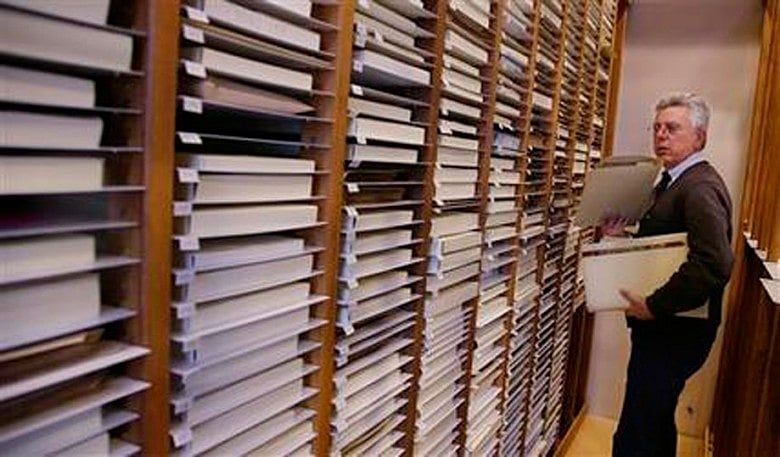
NEW BEDFORD, Mass. (AP) — Maritime historians, climate scientists and ordinary citizens are coming together on a project to study the logbooks of 19th-century whaling ships to better understand modern-day climate change and Arctic weather patterns.
Whaling ships kept meticulous daily logbooks of weather conditions during their often yearslong voyages searching the globe for whales, valued for their light-giving oil, said Michael Dyer, senior maritime historian at the New Bedford Whaling Museum,
NEW BEDFORD, Mass. (AP) — Maritime historians, climate scientists and ordinary citizens are coming together on a project to study the logbooks of 19th-century whaling ships to better understand modern-day climate change and Arctic weather patterns.
Whaling ships kept meticulous daily logbooks of weather conditions during their often yearslong voyages searching the globe for whales, valued for their light-giving oil, said Michael Dyer, senior maritime historian at the New Bedford Whaling Museum,…